
GLOBAL AGRISCIENCE
& BIOTECHNOLOGY.
NIHACORP is a global agriscience and biotechnology company dedicated to improving life on Earth by transforming agriculture into a sustainable, climate‑positive system.
Global Impact
"Our work directly addresses critical global challenges including soil degradation, carbon emissions, nutrient inefficiency, and food security."
Through advanced biotechnology, patented bioactivation processes, and soil‑centric innovation, NIHACORP delivers high‑efficiency plant nutrition solutions that enhance crop productivity while significantly reducing environmental impact.
Operating at the intersection of biotechnology, microbiology, and mineral science, NIHACORP has emerged as a pioneer in biologically activated fertilizers—positioning itself among leading global innovators in sustainable agriculture. Our work directly addresses critical global challenges including soil degradation, carbon emissions, nutrient inefficiency, and food security.
Our Vision
"To create a healthier, more livable planet by transforming agriculture into a climate-positive force -where food production restores the environment, strengthens soil ecosystems, and supports life for generations to come."
Core Philosophy: Soil First™
"At NIHACORP, soil is recognized as a living biological system and a vital environmental asset. Healthy soil is essential for carbon sequestration, water conservation, biodiversity, and long-term agricultural resilience."
"Our Soil First™ philosophy ensures that every innovation strengthens soil biology, activates natural nutrient cycles, and supports regenerative agricultural practices."

BIOTECH
Core DNA
IP
Patented IP
ECOLOGY
Climate +
GLOBAL
US-PK Hub
THE STRATEGIC CHALLENGE
ADDRESSING THE "ZINC-IMMOBILIZATION" CRISIS
The Metabolic Bottleneck
For decades, the agricultural sector faced a critical metabolic bottleneck.
Despite the widespread use of traditional urea, essential micronutrients—specifically Zinc (Zn)—remained largely immobile and unavailable to plants due to unfavorable soil chemistry.
Globally most of commercial farms lack in IPNM especially in developing countries. This weak IPNM results in poor efficiency of chemical fertilizers especially those nutrients, which are immobile or less mobile in soils like Zinc, Phosphorus, Sulfur etc.
This 'silent hunger' resulted in stagnant yields, poor crop resilience, and a decline in the nutritional density of global food supplies.
Global Zinc Deficiency
Zinc (Zn) is critically required by plants, animals and human beings. The issue is twofold, presenting as both a "Global Zinc Deficiency in Soil" and a "Global Zinc Deficiency in Human Being."
Nutrients availability is dependent on multiple factors, like soil parent material, its pH, natural availability of each nutrient in soil, concentration of each nutrient in soil and its interaction with other nutrients.
About one third of total world's poor population is at the high risk of Zn deficiency because they rely on cereals for their daily calorie intake.
Widespread Systemic Deficiency
Global data indicates widespread and medium zinc deficiency across major agricultural continents. Because populations rely heavily on these cereals, solving soil immobility is a direct requirement for securing global food nutrition.
CORE PHILOSOPHY:
SOIL FIRST™
"We believe that if farm economics and farm ecology goes wrong, nothing else can go right in agriculture."
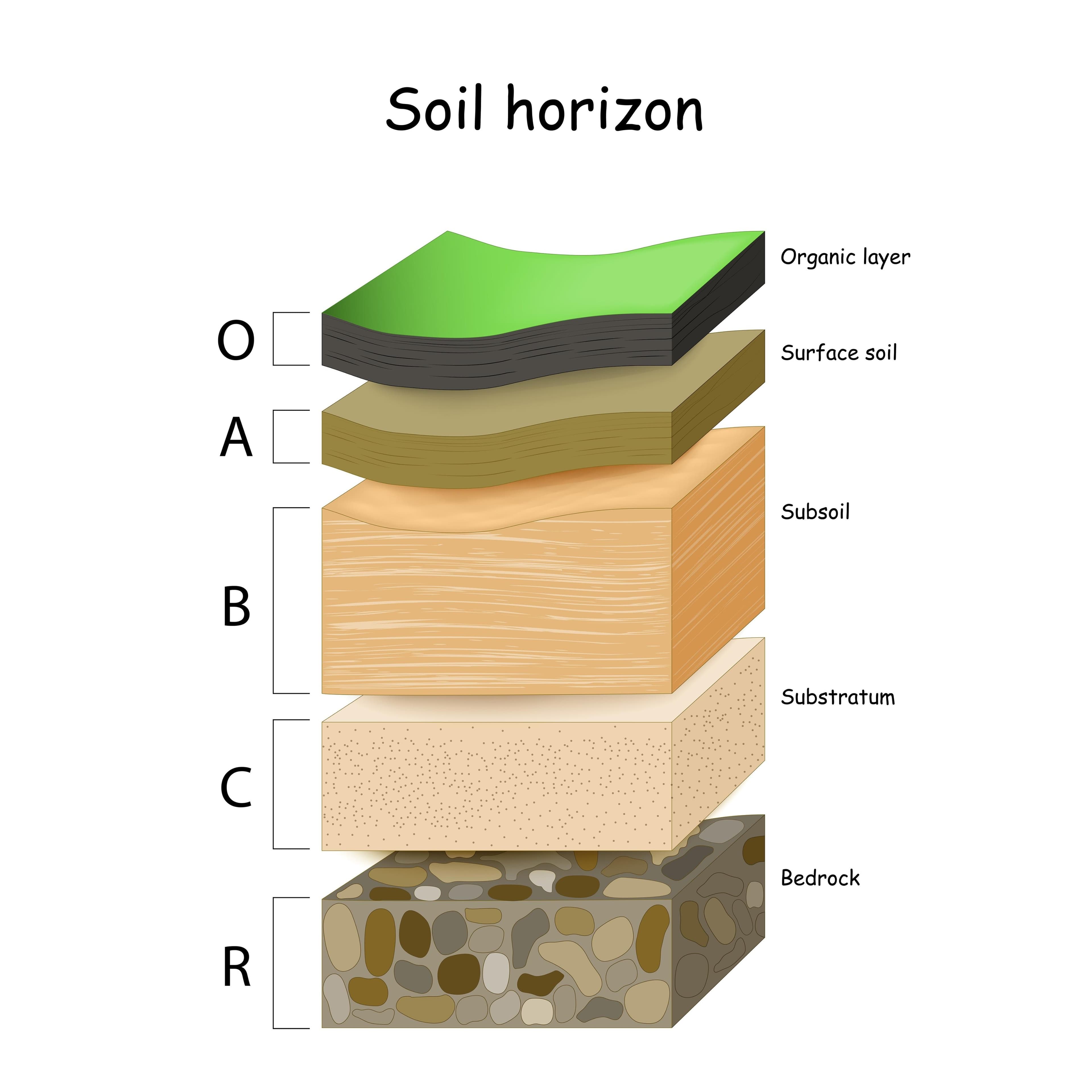
All plants take most of their nutrients from soil. Soil occurs naturally and is made up of layers (soil horizons) consisting of minerals and organic matter. Soil feeds the plant, allowing plants to grow and thrive. However, nutrients availability is dependent on multiple factors, like soil parent material, its pH, natural availability of each nutrient in soil, concentration of each nutrient in soil and its interaction with other nutrients. The most reliable and effective way to make the availability of nutrients should coincides with plant requirements by controlling their release into the soil solution or availability to plant in the same manner, but this never happens in real life. This intricate subterranean world beneath our feet is a critical, yet often overlooked, component of sustainable crop production.
Biological Asset
At NIHACORP, soil is recognized as a living biological system and a vital environmental asset.
Healthy soil is essential for carbon sequestration, water conservation, biodiversity, and long-term agricultural resilience.
The intricate subterranean world beneath our feet is a critical, yet often overlooked, component of sustainable crop production. Plant roots exist within a dynamic environment teeming with billions of microorganisms, primarily bacteria and fungi, that are indispensable for root health and nutrient cycling.
Regenerative Logic
Our Soil First™ philosophy ensures that every innovation strengthens soil biology, activates natural nutrient cycles, and supports regenerative agricultural practices.
NIHA Corp replaces chemical brute force with biological intelligence, transforming fertilizer from a pollutant into a soil healer.
These microscopic allies not only nourish and protect plants but also provide essential soil, air, and water services, underpinning human survival and demanding a scientific approach to their stewardship.
Farm Economics
Farm economics and profitability is closely linked with Integrated Plant Nutrient Management (IPNM). Use of balance plant nutrients, micro-organisms and organic matter are three basic Prerequisites of IPNM.
Globally most of commercial farms lack in IPNM especially in developing countries. This weak IPNM results in poor efficiency of chemical fertilizers especially those nutrients, which are immobile or less mobile in soils like Zinc, Phosphorus, Sulfur etc.
To enhance agricultural productivity through cost-effective, high-quality inputs, utilizing the latest research and knowledge to meet the specific needs of farmers while ensuring sustainable growth and customer satisfaction.
ROLE OF MICROBES
"The intricate subterranean world beneath our feet is a critical, yet often overlooked, component of sustainable crop production."
The Rhizosphere & Carbon Influx
The intricate subterranean world beneath our feet is a critical, yet often overlooked, component of sustainable crop production. Plant roots exist within a dynamic environment teeming with billions of microorganisms, primarily bacteria and fungi, that are indispensable for root health and nutrient cycling. Plants actively engineer this "rhizosphere" by exuding significant amounts of carbon compounds like amino acids, sugars, and organic acids, creating a biological hotspot. This carbon influx dramatically increases microbial populations, establishing a complex interplay where plants and microbes can compete for, yet also facilitate, nutrient availability.
Nutrient Transformation
Crucially, soil organisms govern the transformation of essential nutrients. Nitrogen, phosphorus, and sulfur, often locked in organic forms unavailable to plants, are converted into plant-accessible forms through microbial activity.
This involves the excretion of extracellular enzymes and organic acids that solubilize nutrients from organic matter, crop residues, and minerals. Microbes also leverage oxidation-reduction reactions to enhance nutrient solubility.
Stewardship & Management
Understanding these microbial-plant interactions is paramount for effective nutrient management. Agricultural practices such as tillage, irrigation, residue management, and the use of biological inoculants all influence these vital microbial communities. Ultimately, these microscopic allies not only nourish and protect plants but also provide essential soil, air, and water services, underpinning human survival and demanding a scientific approach to their stewardship.
Microbially Mediated Soil Transformations
Selected examples of microbially mediated soil transformations that influence plant nutrient availability.
| Nutrient | Microbial Transformation |
|---|---|
| Nitrogen | Mineralization, immobilization, nitrification, denitrification, urea hydrolysis, N2 fixation, extracellular protease and chitinase activity |
| Phosphorus | Mineralization, immobilization, extracellular phosphatase activity, acidic dissolution of mineral P, facilitated uptake by mycorrhizal fungi. |
| Potassium | K solubilization |
| Sulfur | Mineralization, immobilization, oxidation, reduction, extracellular sulfatase activity |
| Iron | Change in oxidation state, production of siderophores, chelation |
| Zinc | Facilitated uptake by mycorrhizal fungi, solubalization, chelation |
| Manganese | Change in oxidation state |
CORE TECHNOLOGIES
"NIHA Corp replaces chemical brute force with biological intelligence. We employ three core technologies to transform fertilizer from a pollutant into a soil healer."
Nutrient Bioactivation
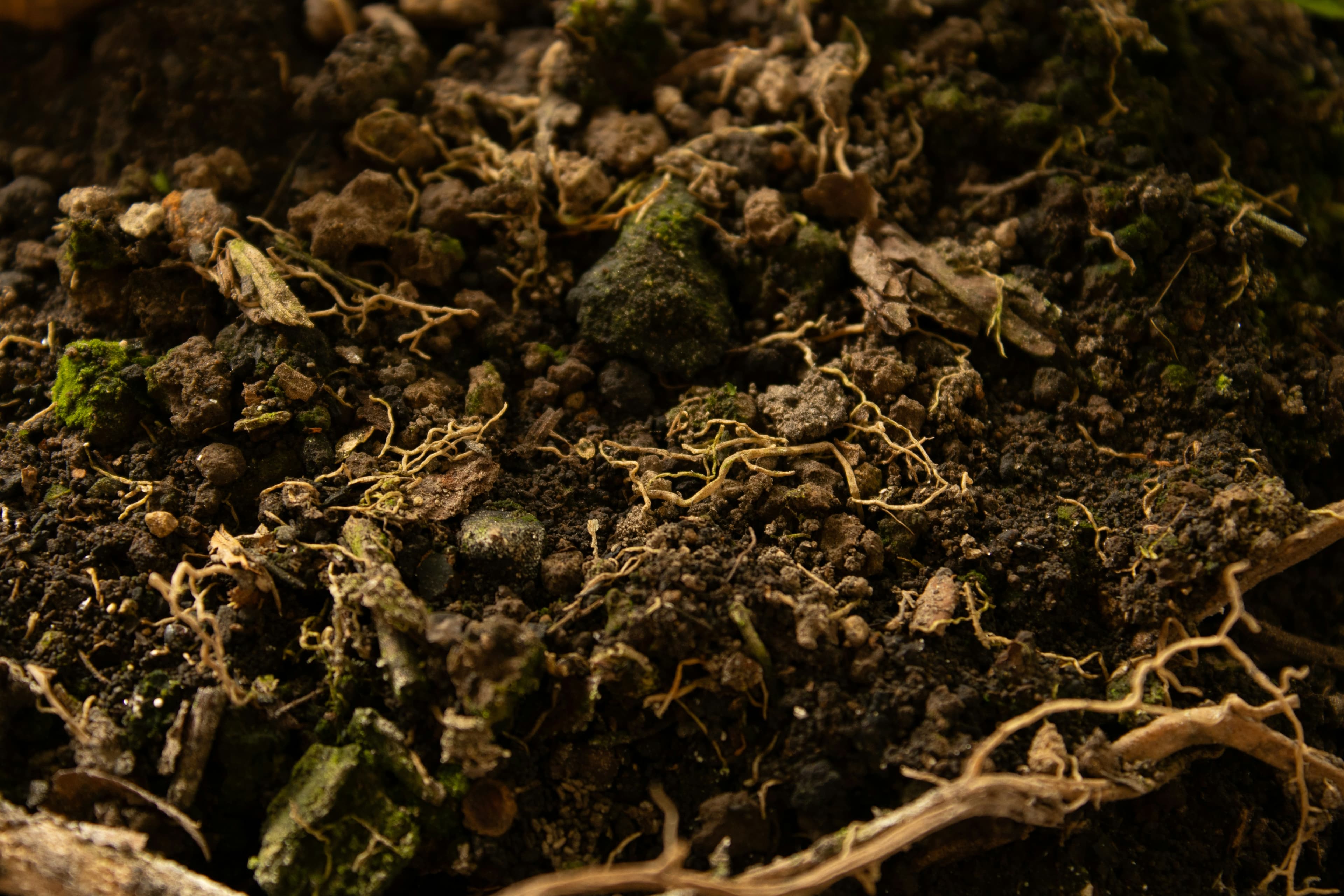
The Bioactivation methods include collecting and sorting potential industrial wastes having nutrients or low grade nutrient sources not useable by classical fertilizers producers, processing them to make it workable for Nutrient Solubilizing Microorganisms (NSM); subjecting the blend to bio-composting; collection, isolation, selection and growth optimization of consortia of efficient NSM and novel Plant Growth Regulating Microorganisms (PGRM); where in NSM produce organic acids and other organic compounds using compost sub- state at mesophillic stage, whereas the organic acids released during composting also act in synergism of NSM, thus forming a carbon rich acidic culture resulting in the solubilization /availability of immobile or less mobile nutrients.
"Creates a carbon-rich acidic micro-environment at the root zone."
"This 'unlocks' immobile nutrients like Phosphorus and Zinc, making them bio-available."
Bio-Coating Technology (BCT)
We have developed unique surface Bio Coating Technology (BCT) of beneficial microbes & bioactive nutrients with organic coating agent on major fertilizers like Urea, DAP etc. This microbial impregnation and organic coating enhances effectiveness of classical fertilizers due to synergy of microbes, macro & bioactive nutrients. Our BCT, Surface Bonding technology works by coating each individual fertilizer granule with a organic coating which captures Bioactive Nutrients particles, remain adhered even after longer period of storage. BCT is unique that it works out at room temperature which can be easily sprayed onto granules without deteriorate original fertilizer composition, rather this BCT helps to ensure a free flowing product. This technology works by forming a strong, mechanical, non-migrating, temperature-resistant bond on the granule's surface. These two unique & innovative technologies have enabled us to introduce Bioactive Nutrient Fertilizers (BNF).
"Each granule is impregnated with a consortium of beneficial microbes. This living capsule creates a synergistic bond between the fertilizer and the soil."

Slow-Release Logic
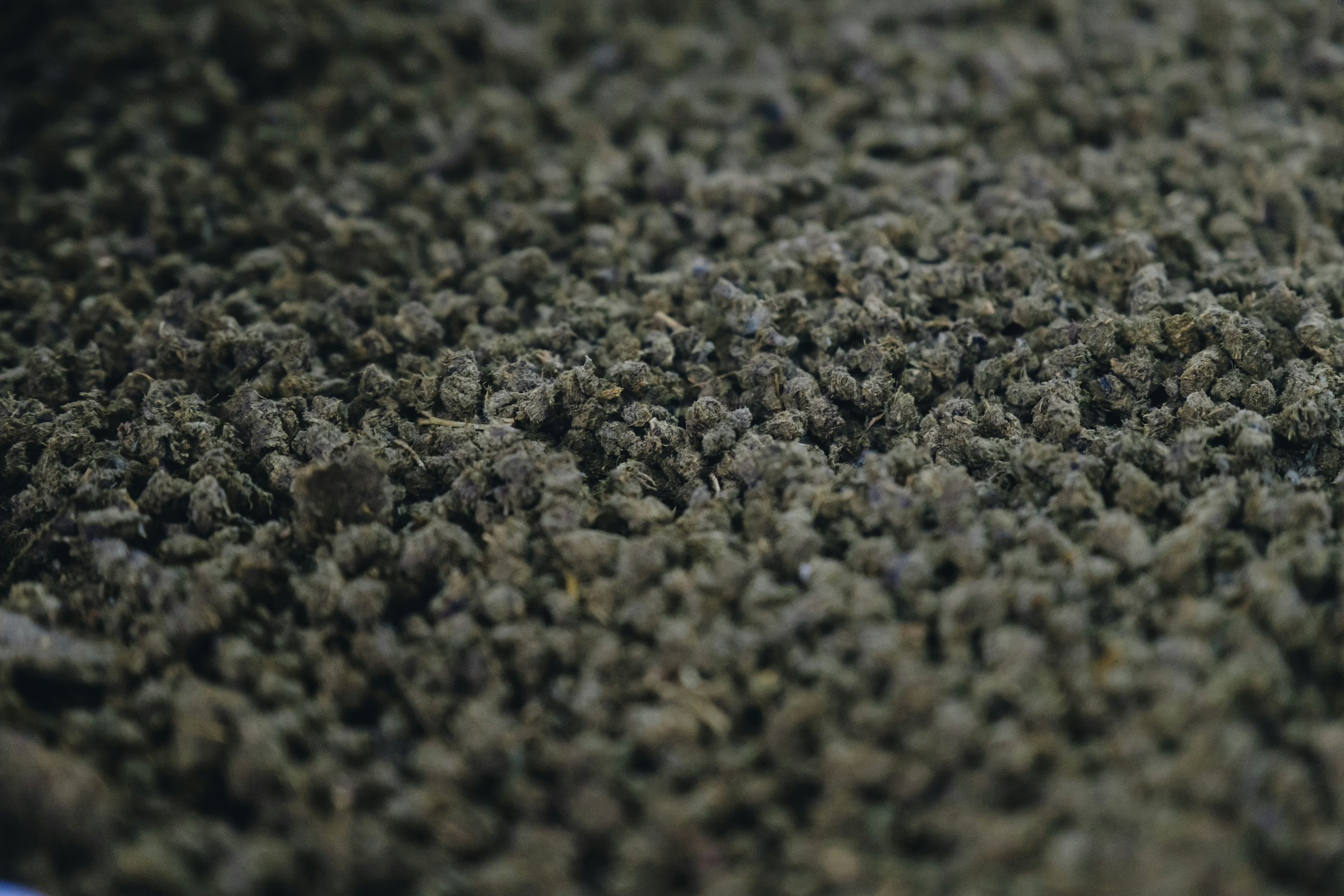
Utilizing advanced organic ligands, we encapsulate mineral nutrients to prevent leaching and volatilization. This slow-release mechanism ensures nutrients remain in the root zone, significantly improving fertilizer use efficiency (FUE).Conventional fertilizers suffer from severe inefficiencies, with a large percentage of nutrients acting rapidly and being lost through high volatility to the air or washed away through leaching. Using organic ligands, we encapsulate nutrients to prevent this "flush and wash" effect.The most reliable and effective way to ensure nutrient availability is by controlling their release into the soil solution so it coincides with actual plant requirements. Because our technology provides a controlled, slow-release delivery, nutrients are retained in the soil and released in time with the plant's metabolic needs across the growing season. This advanced nutrient dynamic cuts harmful leaching in half and doubles overall fertilizer use efficiency.
"Using organic ligands, we encapsulate nutrients to prevent the 'flush and wash' effect."
"Nutrients are released in time with the plant's metabolic needs."
THE ZABARDAST UREA
REVOLUTION
"In just seven years, our Nutrient Bioactivation Technology has achieved a monumental 1.2 million tons in sales (22 million bags)."
As Pakistan's 2025 leader in zinc supplementation, this milestone reflects deep-rooted farmer trust and our commitment to superior crop yields through advanced, high-efficiency nutrient delivery.
25th
Dragons of Asia
Engro Fertilizers has been honored with the prestigious Black Dragon Award at the 25th Dragons of Asia, specifically for the campaign surrounding Engro Zabardast Urea.
Powered By
NIHACORP Technology
This award, won by Engro for the Zabardast Urea campaign, is built entirely upon the technical breakthrough achieved by NIHACORP.
FROM THE LAB TO
THE GLOBAL STAGE.
Success is rarely a solo journey; it is the result of visionary partnership and relentless innovation. Today, we celebrate a monumental achievement that has placed Pakistani innovation on the global map.
Seeing a formula developed by our team lead a major partner like Engro to an international award within just a few years proves that our local innovation is Solving World Problem.
Corporate Office
Ontario, California
3700-Inland Empire Boulevard
Suite # 150
Ontario, California 91764, USA.
Asia Pacific Office
Multan, Pakistan
302/303 Block F
Shah Rukne Alam Colony
Multan, Pakistan

Leadership & Governance
Our governance structure emphasizes scientific integrity, regulatory compliance, ethical business practices, and long-term value creation.

Rana Muhammad Iqbal
Chief Executive Officer

Dr. Muhammad Arshad
Director of Research, Tamgha-e-Imtiaz

Hammad Raza Jamshed
Chief Scientist

Nasim Ahmed
Director of Business Development
GET IN TOUCH
"Advancing Climate-Smart Agriculture Through Biotechnology"
Corporate Office
3700-Inland Empire Boulevard
Suite # 150 Ontario, California 91764, USA.
909 204 5811
Fax: 090 235 4790
hrj@nihausa.com
+1 307 310 6424
Asia Pacific Office
302/303 Block F
Shah Rukne Alam Colony
Multan Pakistan
iqbal@nihausa.com
+92 300 29 11111
www.nihausa.com